What does a solar diverter do?
What does a solar diverter do? It sends surplus solar power to your immersion heater instead of the grid. How it works, and how it compares with a battery.
Electrical ExchangePublished · Updated · 7 min read

The quick answer
A solar diverter sends surplus electricity from your solar panels to your immersion heater, so it heats your hot water instead of going out to the grid. It monitors your generation and use in real time and only diverts power your home isn't using at that moment. You need solar panels and a hot water cylinder with an immersion heater, and most diverter installations are completed in a single visit.
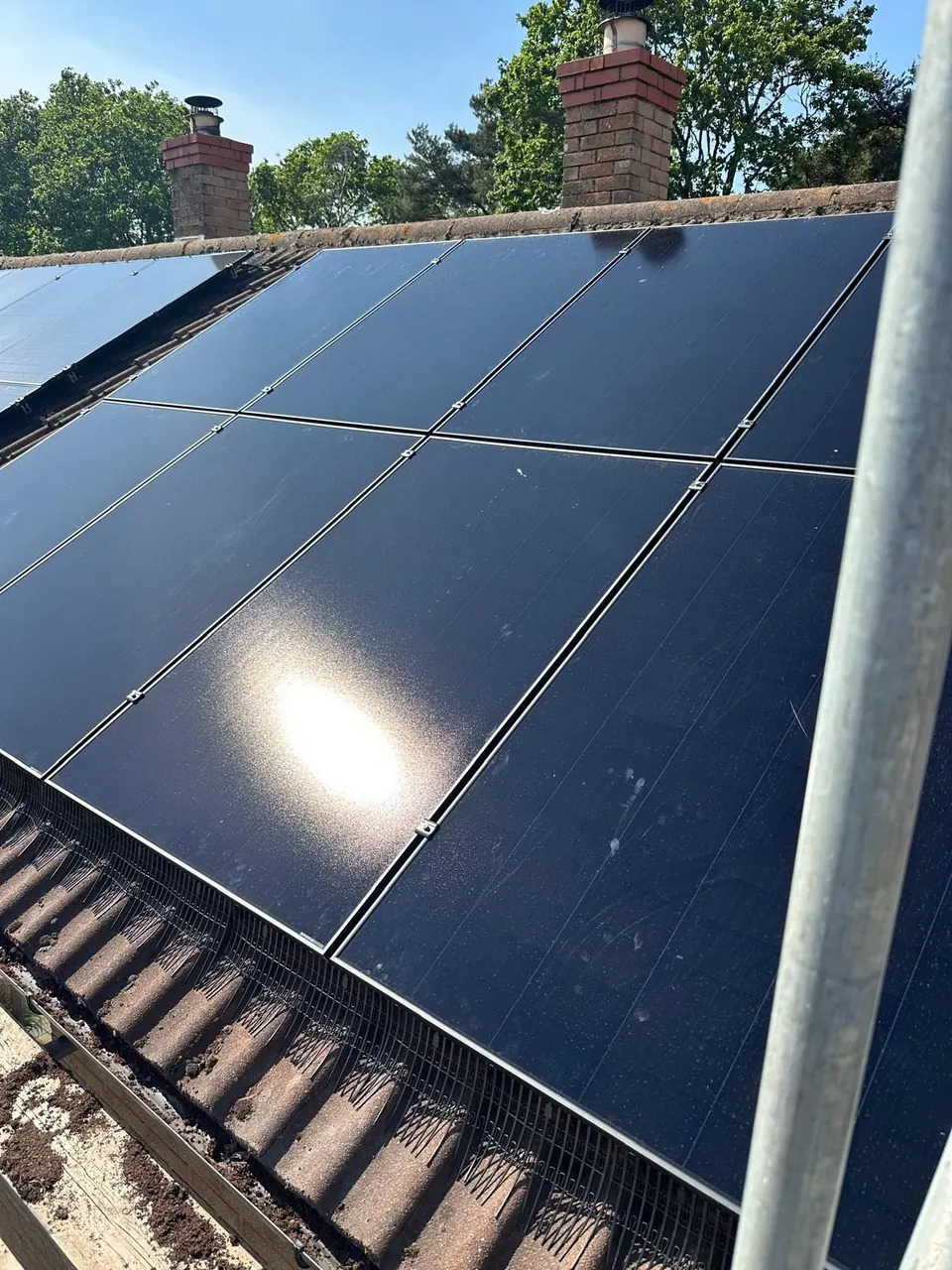
On a bright day, solar panels often make more electricity than your home is using at that moment. Unless something uses that surplus, it goes out to the grid. So what does a solar diverter do? It gives that surplus somewhere useful to go: your hot water.
Here’s how a diverter works, where it fits in your home, how it compares with a battery, and what’s involved in fitting one.
What a solar diverter does, step by step
A diverter works alongside your solar panels and your immersion heater. It monitors your solar generation in real time, and when your panels are making more than the house needs, it redirects the surplus straight to your immersion heater instead of exporting it to the grid.
It works with the surplus only: electricity your panels have made that your home isn’t using. When the kettle goes on or a cloud passes over, there’s less to spare, and less goes to the water.
To do that, a diverter needs to see what’s happening at your supply. The myenergi eddi, for example, comes with a CT clamp as standard, a sensor that clips around a cable, and myenergi says it makes decisions multiple times per second.
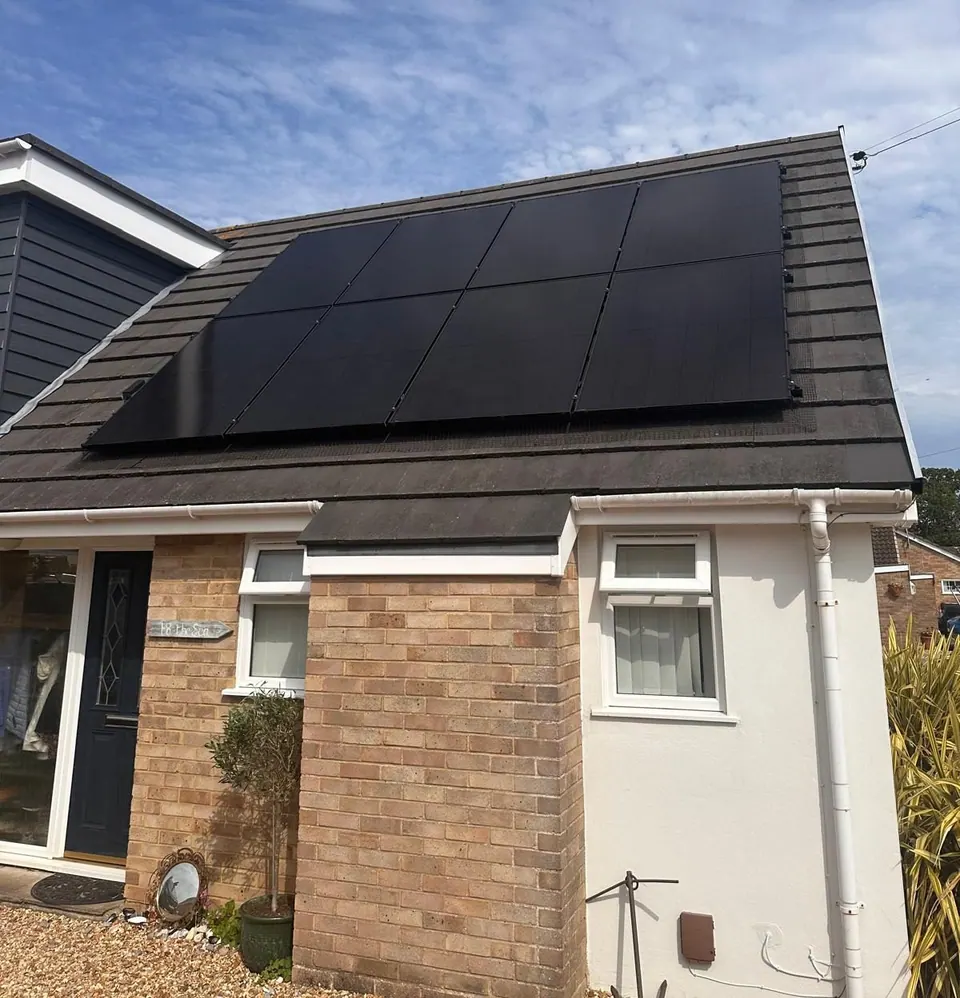
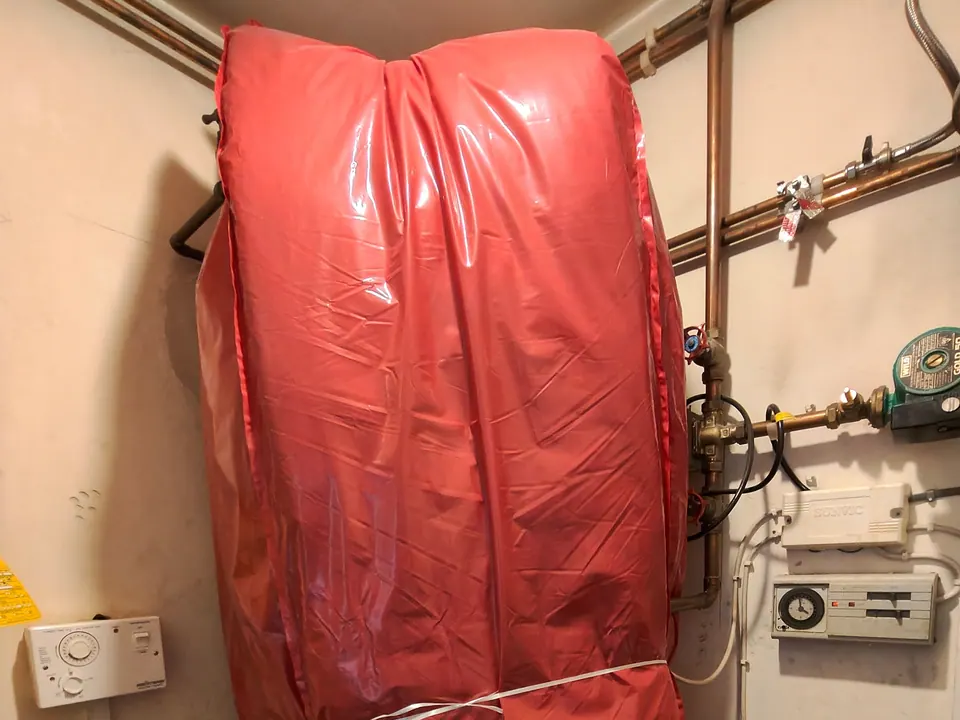
Think of it as storing spare solar as hot water. Your cylinder holds on to it, so water heated in the middle of the day is there for the evening. That’s what our solar diverter installations across Dorset are for: making better use of the solar you already generate.
Why send surplus to your hot water?
Many homeowners don’t realise how much of their solar power goes back to the grid. Exporting isn’t wasted, but depending on your export tariff, what you’re paid for it may be worth less to you than using that energy in your own home.
Heating water is one of the simplest ways to use it. Instead of buying energy from the grid to heat your water, you use what you’ve already generated. With a diverter:
- surplus solar heats your water instead of leaving the house,
- your boiler does less of the work in the sunnier months, which reduces the strain on your main heating system,
- if your water is normally heated by gas or oil, you rely on it less,
- you can follow where your solar is going on the diverter’s app.
Where it fits in your home
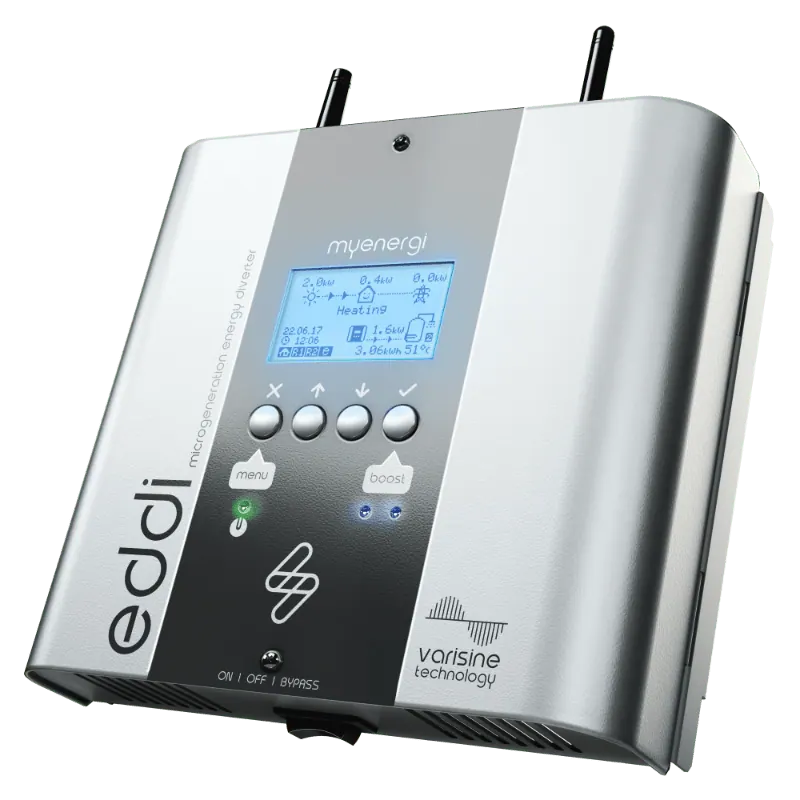
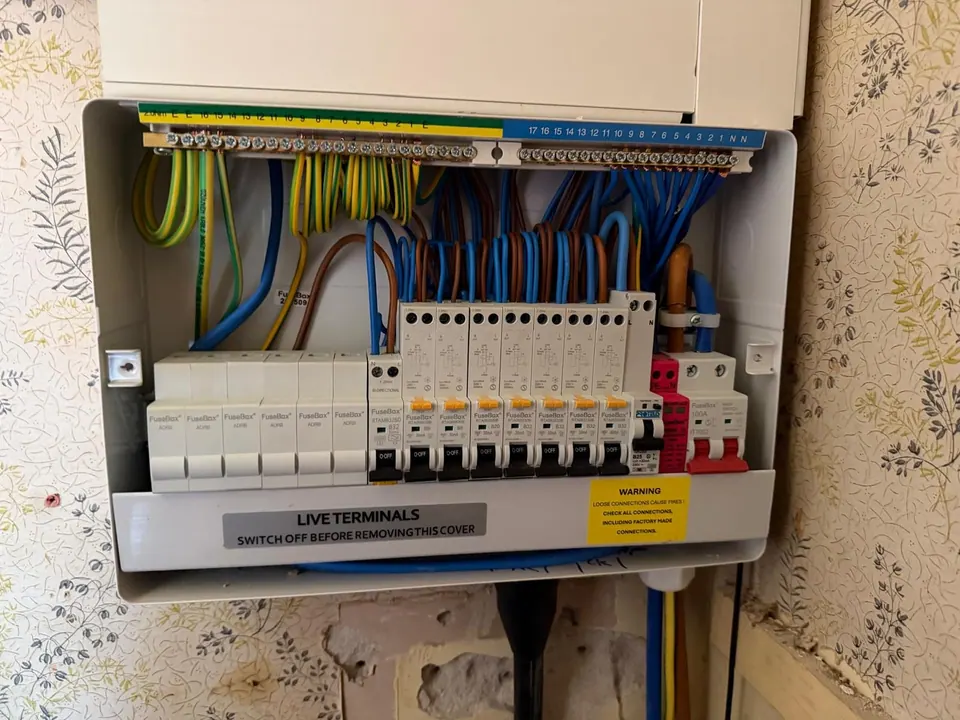
A diverter doesn’t replace anything. It works with your existing solar panels and immersion tank, and it wires in at your consumer unit rather than on the roof, so the type, pitch or age of your roof makes no difference. The eddi itself is a wall-mounted unit, with a small display and buttons on its front.
That holds right across the area we cover. A diverter on one of the older streets near Christchurch Priory is fitted the same way as one on a newer build further out, as with any of our solar diverters in Christchurch. In Poole it makes no real difference whether the panels sit on a flat near the harbour, a semi in Broadstone or a larger house out towards Merley: what counts for our Poole diverter installations is what’s already installed.
What a diverter won’t do
A diverter doesn’t store electricity, and it won’t keep the lights on in a power cut. It also needs a surplus to work with: on a dull day, or once the sun has gone down, there’s nothing spare to divert, and your water is heated the way it always is. That’s why some homes pair a diverter with a battery, as the comparison below shows.
The diverter in the photo
The diverter in the photo above is the myenergi eddi. myenergi says it can redirect surplus solar to an immersion heater, a storage heater, underfloor heating or an electric heater, and it comes in single-phase (eddi) and three-phase (eddi+) versions, monitored and controlled through the myenergi app. Our myenergi eddi review goes through its settings, its boost options and how it works alongside a battery.
You can see the myenergi eddi and zappi on our products pages. Which diverter suits your home depends on what you already have: on the survey we check your existing solar setup, inverter brand and immersion heater, and match you to the right diverter before installation begins.
Solar diverter vs battery
A diverter and a battery both keep more of your solar at home, but they store it in different ways.
| Solar diverter | Battery | |
|---|---|---|
| Stores surplus solar as | Hot water in your cylinder | Electricity, for use later |
| What it needs | Solar panels and a cylinder with an immersion heater | Room for the battery and its inverter |
| Without solar panels | Has nothing to divert | Can charge from the grid off-peak and discharge at peak times |
| During a power cut | Doesn’t provide backup power | Some systems can, depending on the model and set-up |
| Fitting | Most installations completed in a single visit | Installed and configured with its inverter as one system |
Choose a diverter if:
- you have solar panels and a hot water cylinder with an immersion heater,
- your panels regularly make more than you use during the day, for example while the house is empty,
- your main aim is to heat your water from your own generation.
Choose a battery if:
- you want to run the house on your own solar in the evening,
- you’d like to charge from the grid at cheaper off-peak times,
- your hot water comes from a combi boiler with no cylinder.
Consider both if you regularly export a lot of surplus. The two work from the same surplus: the battery stores electricity for later, and the diverter stores it as hot water. We’ll talk through how they’d work together at your survey, whether it’s one of our battery installs around Christchurch or battery retrofits in Poole. Our guide to adding a battery to existing solar panels covers the battery side, or see our home battery storage page.
Ready to talk it through? Book a free survey for a solar diverter and we’ll check your solar setup, your inverter and your immersion heater.
And an EV charger?
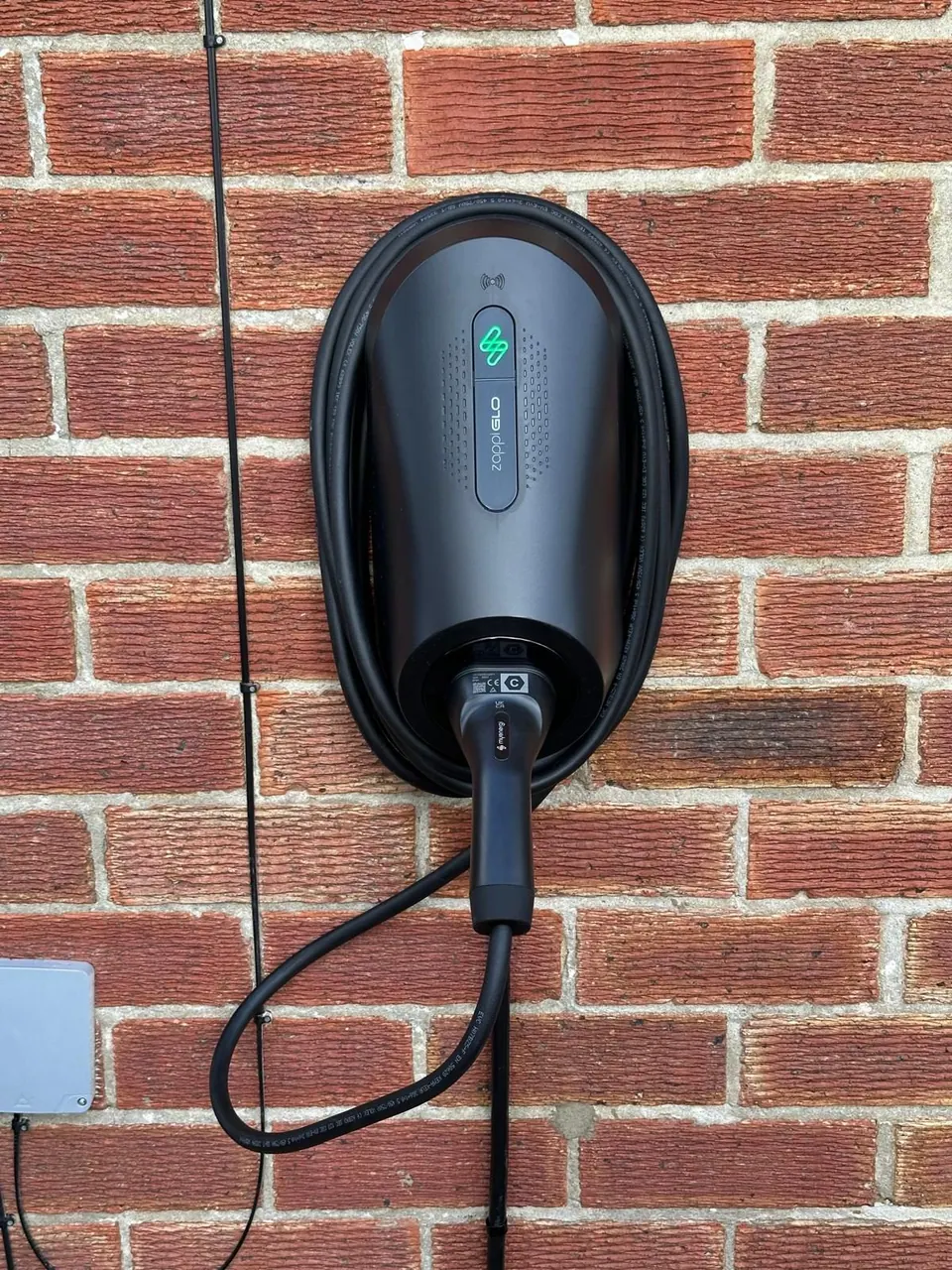
An EV charger can draw on your solar too. If you have solar panels or battery storage installed with us, we can design your charger setup to prioritise your own generation wherever possible, just as the diverter does for your hot water. Find out more about home EV chargers set up to use your own solar.
Before you get a diverter
A diverter needs a solar PV system to work with. If you don’t have solar yet, that’s the starting point, not the diverter itself, and getting solar panels installed comes first. Our guide to how many solar panels you’ll need is a good place to begin.
It also needs a hot water cylinder with an immersion heater to send the surplus to. A home with a combi boiler and no cylinder doesn’t have one.
How we fit a solar diverter
- Free on-site survey: we check your existing solar setup, inverter brand and immersion heater.
- Product match, within 48 hours: we match your setup to the right diverter and confirm it’s compatible with your solar and immersion system.
- Installation: our qualified electricians install and wire in the diverter alongside your existing solar PV and immersion heater. Most installations are completed in a single visit.
- Testing and handover: the system is tested and commissioned, and you get full handover paperwork plus a walkthrough of the app-based monitoring.
So, what does a solar diverter do for you?
It turns the surplus your panels would otherwise export into hot water, using only power your home isn’t using at that moment. If you have solar panels and a hot water cylinder, a solar diverter is one of the simplest ways to use more of what you generate. Book a free home survey and we’ll tell you whether one suits your setup.
Questions we're often asked
- Do I need solar panels for a diverter to work?
- Yes. A diverter works alongside a solar PV system, redirecting surplus generation to your immersion heater instead of exporting it. If you don't have solar yet, the panels come first; a diverter can be added once they're in, or planned in from the start.
- Can I see what my diverter is doing?
- Yes. The myenergi eddi can be monitored and controlled through the myenergi app, so you can follow your energy flow and change its settings from your phone. When we hand the system over, we walk you through the app-based monitoring so you know what you're looking at.
- Does a diverter work with a combi boiler?
- A diverter for hot water needs a cylinder with an immersion heater to send the surplus to, and a combi boiler with no cylinder doesn't have one. The eddi can also send surplus to other electric heating, such as a storage heater, underfloor heating or an electric heater, so it's worth talking through what you have.
- How long does it take to fit a solar diverter?
- Most energy diverter installations are completed in a single visit by our qualified electricians. The diverter is wired in alongside your solar PV and immersion heater, then tested and commissioned, and we walk you through the app before we leave.
- Is a diverter or a battery better?
- Neither is better across the board, because they do different jobs. A diverter stores spare solar as hot water, while a battery stores it as electricity to run the house later, and some homes have both. Which suits you depends on your hot water system, your budget and how you use electricity.