How much does it cost to charge an electric car at home? (2026 tariffs)
How much does it cost to charge an electric car at home? About £8 per 100 miles on the October to December 2026 cap, or under £2.50 on EV off-peak rates.
Electrical ExchangePublished · Updated · 8 min read


The quick answer
Charging an electric car at home costs about £8 per 100 miles on the October to December 2026 price cap, which sets the unit rate at 26.47p per kWh in Southern England, the Ofgem region for Christchurch and Poole. That assumes a real-world average of 303Wh per mile, and a full charge of a 60kWh battery comes to about £15.88. On an EV off-peak rate of 6.5p to 8.0p per kWh, 100 miles costs about £1.97 to £2.42. UK rapid public chargers averaged 79p per kWh in September 2026.
How much does it cost to charge an electric car at home? On the October to December 2026 price cap, about £8 for every 100 miles in an average electric car, and under £2.50 if you charge on an EV off-peak tariff. A full charge of a 60kWh battery comes to about £15.88 at the capped rate for Southern England, the Ofgem region that takes in Christchurch, Poole and Bournemouth, or £4.80 at 8p per kWh.
Those numbers shift with your tariff, your car and how you charge, so below we set out how the sums work, what’s different on BH postcodes, and where a home charger and solar panels fit in.
Home and public charging costs, side by side
The table shows what 100 miles and a full 60kWh charge cost at each rate, before charging losses (more on those below). The 100-mile column uses 303Wh per mile, EV Database’s real-world average across the electric cars it lists, so 100 miles takes 30.3kWh.
| Where and how you charge | Price per kWh | 100 miles | Full 60kWh charge |
|---|---|---|---|
| Home, capped standard rate, Southern England (Oct to Dec 2026) | 26.47p | £8.02 | £15.88 |
| Home, Intelligent Octopus Go off-peak (October 2026) | 8.0p | £2.42 | £4.80 |
| Home, E.ON Next Drive Smart off-peak (21 October 2026) | 6.5p | £1.97 | £3.90 |
| BCP Council car park, fast charger (October 2026) | 56p | £16.97 | £33.60 |
| BCP Council car park, rapid charger (October 2026) | 72p | £21.82 | £43.20 |
| UK rapid and ultra-rapid average (Zapmap, September 2026) | 79p | £23.94 | £47.40 |
The full-charge column runs from empty to full, so an everyday top-up costs a fraction of it.
How the sums work: kWh, battery size and miles per kWh
Electricity is sold by the kilowatt hour (kWh), and a car’s battery is measured in the same unit. So a charge costs the kWh you put in, multiplied by your unit rate. At 26.47p, filling a 40kWh battery from empty costs £10.59 and an 80kWh battery £21.18. At 8.0p, the same two charges cost £3.20 and £6.40.
For running costs, efficiency tells you more than battery size. EV Database’s average of 303Wh per mile works out at about 3.3 miles per kWh, and your own car may be well above or below it. If your car reports its efficiency in miles per kWh, divide your unit rate by that figure to get your cost per mile: 26.47p divided by 3.3 is about 8p a mile.
What the price cap means in Christchurch, Poole and Bournemouth
The price cap isn’t one national number. Ofgem sets it region by region, and its postcode lookup places every BH postcode district, from BH23, where we’re based in Christchurch, to Poole’s BH12 to BH17, in its Southern England region, where Scottish and Southern Electricity Networks operates the local network.
From 1 October to 31 December 2026, the capped unit rate there for single-rate Direct Debit customers is 26.47p per kWh, a little above the national average of 26.32p. The daily standing charge is 47.81p, against 54.83p nationally. You pay the standing charge every day, even on a day you use no energy, so charging the car doesn’t add to it; only the units you use do.
There’s also no VAT on household electricity in Great Britain from 1 October 2026 until the end of March 2027, a temporary zero rate set out by HMRC, so Ofgem’s capped electricity rates for this quarter carry none.
Good to know Ofgem resets the price cap every quarter and it varies by region, and every BH postcode falls in its Southern England region.
Off-peak EV tariffs and their overnight windows
EV tariffs sell cheap electricity for part of the night. Intelligent Octopus Go advertises smart charging from 8.0p per kWh, with up to six hours of off-peak electricity for your whole home between 11:30pm and 5:30am. Its six hours of smart charging can also be scheduled outside that window, and when they are, the whole home gets the discounted rate too.
E.ON Next Drive Smart quotes 6.5p per kWh from midnight to 6am, fixed for 12 months, and bills charging you schedule in its app at 6.5p even outside those hours. E.ON says that information was correct on 21 October 2026.
The catch is the rest of the day. E.ON Next bills a boost, or charging without its smart feature, during peak hours at a peak rate of 34.042p per kWh, well above the capped 26.47p. An EV tariff earns its keep when most of your charging, and some of the household’s use, moves into the cheap hours.
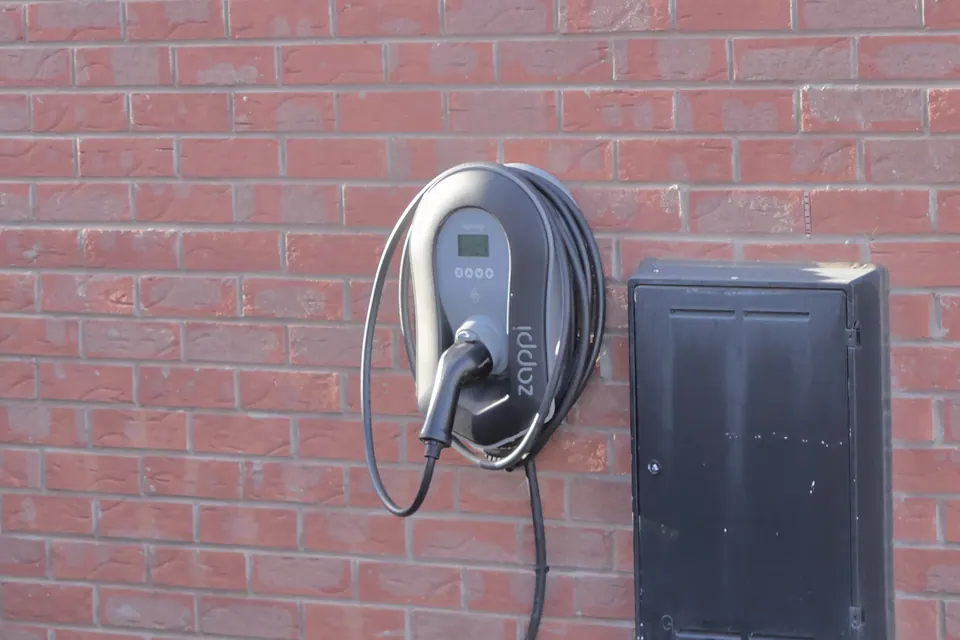
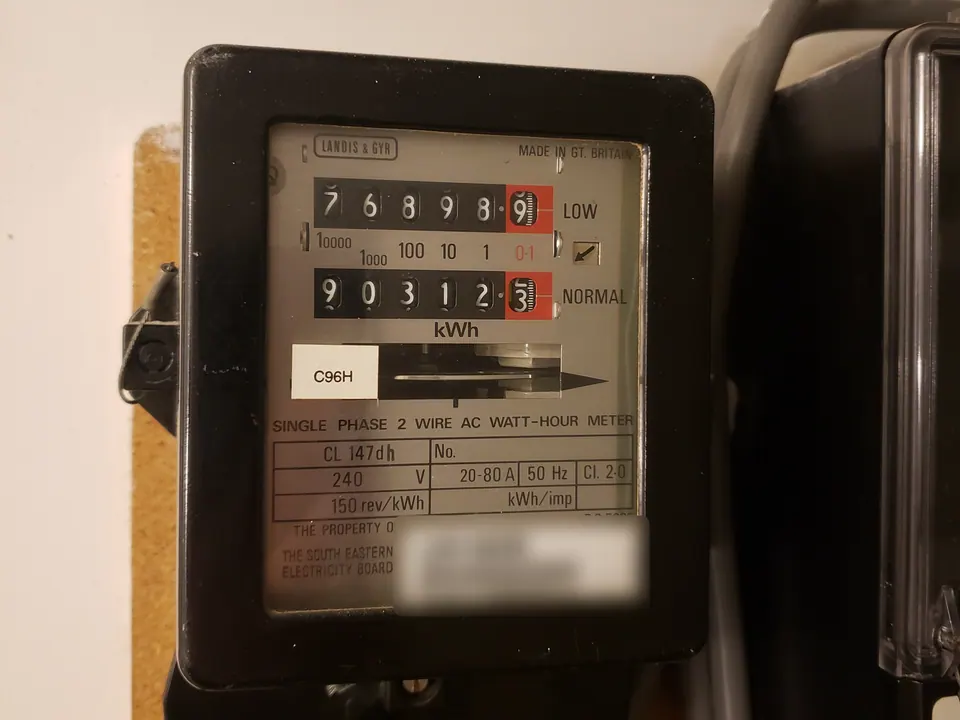
Both tariffs need a smart meter and a car or charger the supplier supports. E.ON Next lists the myenergi zappi among its supported chargers, so check a tariff’s list against the home chargers we install before you choose.
Smart charging is built into new home chargers
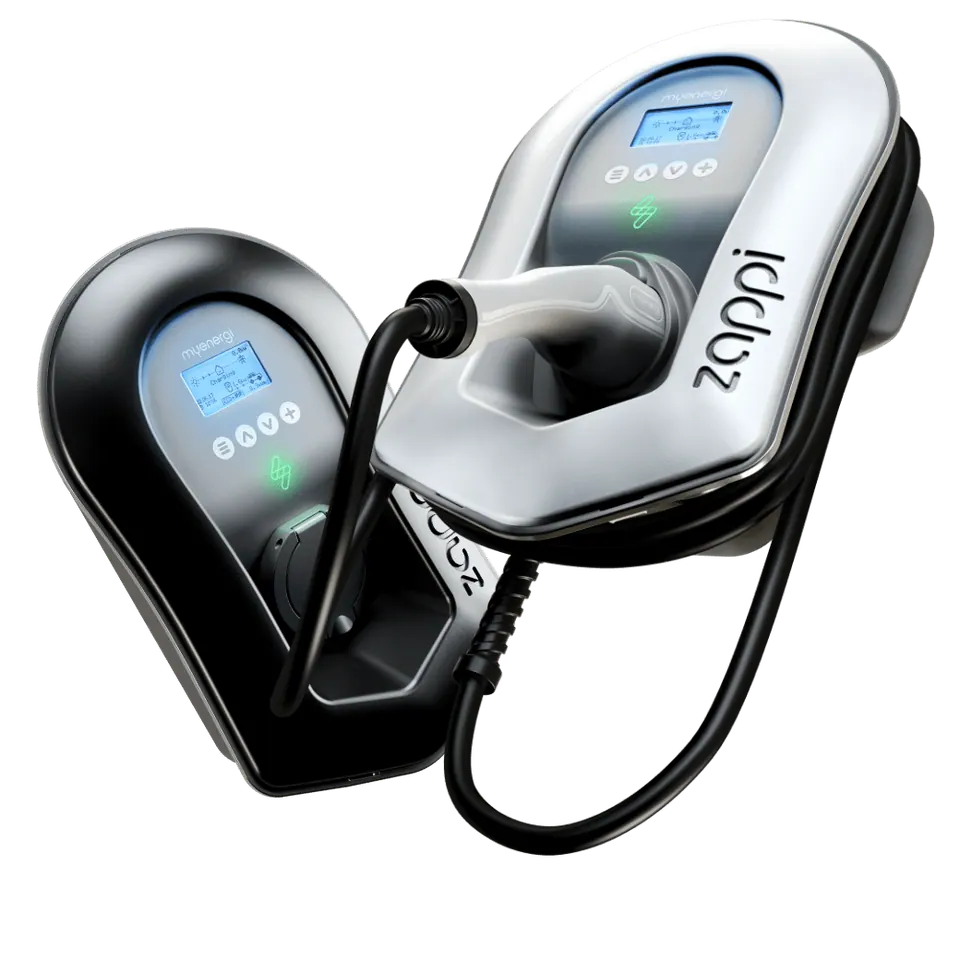
Since 30 June 2022, charge points sold in Great Britain for homes and workplaces have had to be smart. Under the Electric Vehicles (Smart Charge Points) Regulations 2021, a new charger comes with pre-set default charging hours outside peak hours, which the regulations define as 8am to 11am and 4pm to 10pm on weekdays. You can accept those hours, change them or remove them when you first use it, and change them again later. The charger must also be able to send and receive information and allow for a randomised delay.
That’s what makes an off-peak tariff work day to day: you plug in when you get home, and the car charges in the cheap hours, or whenever an intelligent tariff schedules it.
Charging losses: the energy that never reaches the battery
Not every unit your meter counts ends up in the battery. In a study published in August 2026, ADAC, the German motoring club, measured charging losses on cars from five makers:
- at a household socket (2.3kW): 12.7% to 15.3% for four of the cars, and 24.2% for the fifth,
- at a wallbox on full power (11kW or 22kW): 5.1% to 7.0%,
- at a three-phase wallbox turned down to 4.1kW, ADAC’s stand-in for charging from surplus solar: 8.0% to 12.8%.
The main reason, ADAC says, is that the car’s control electronics draw 100 to 300 watts for as long as it charges, so a slow charge wastes more. Its rule of thumb: the higher the charging power, the shorter the charge and the smaller the loss. In practice, add at least 5% to the table above for a wallbox, more when it charges slowly, and about 13% to 24% for a socket.
Want to know what your own charging would cost? Ask us about a free survey and we’ll look at your supply, your parking and the charger that suits your car.
Does the charger itself change the cost?
You can charge from a household socket with a three-pin cable, but ADAC calls socket charging significantly more expensive and less safe than a wallbox, because more of the energy is lost on a slow charge. A dedicated charger on its own circuit is quicker: a single-phase zappi, for example, charges at up to 7.4kW. Our comparison of a granny charger and a home charger covers the speed and safety side.
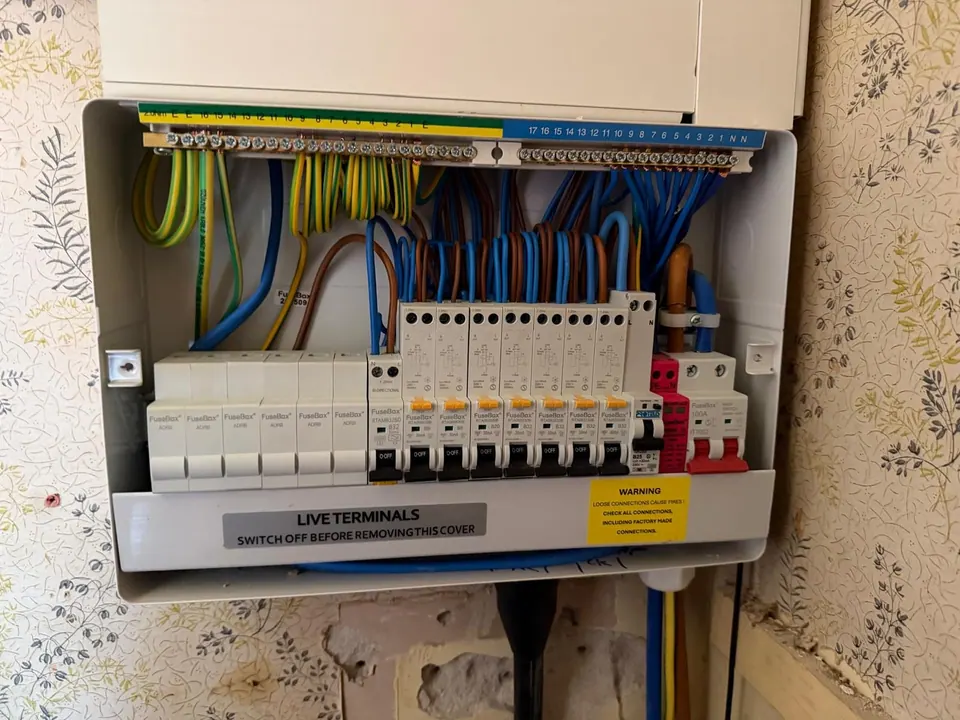
Our home EV charger installation starts with a free survey of your parking, your consumer unit and your supply, then takes a single visit for most homes. We fit a wide range, including Ohme, myenergi, Wallbox, Rolec and Andersen, and our guide to how long a home charger takes to fit walks through the day itself.
If you rent or own a flat and have off-street parking, see the chargepoint grant for renters and flat owners, and EV chargepoint grants and who they cover for the other schemes.
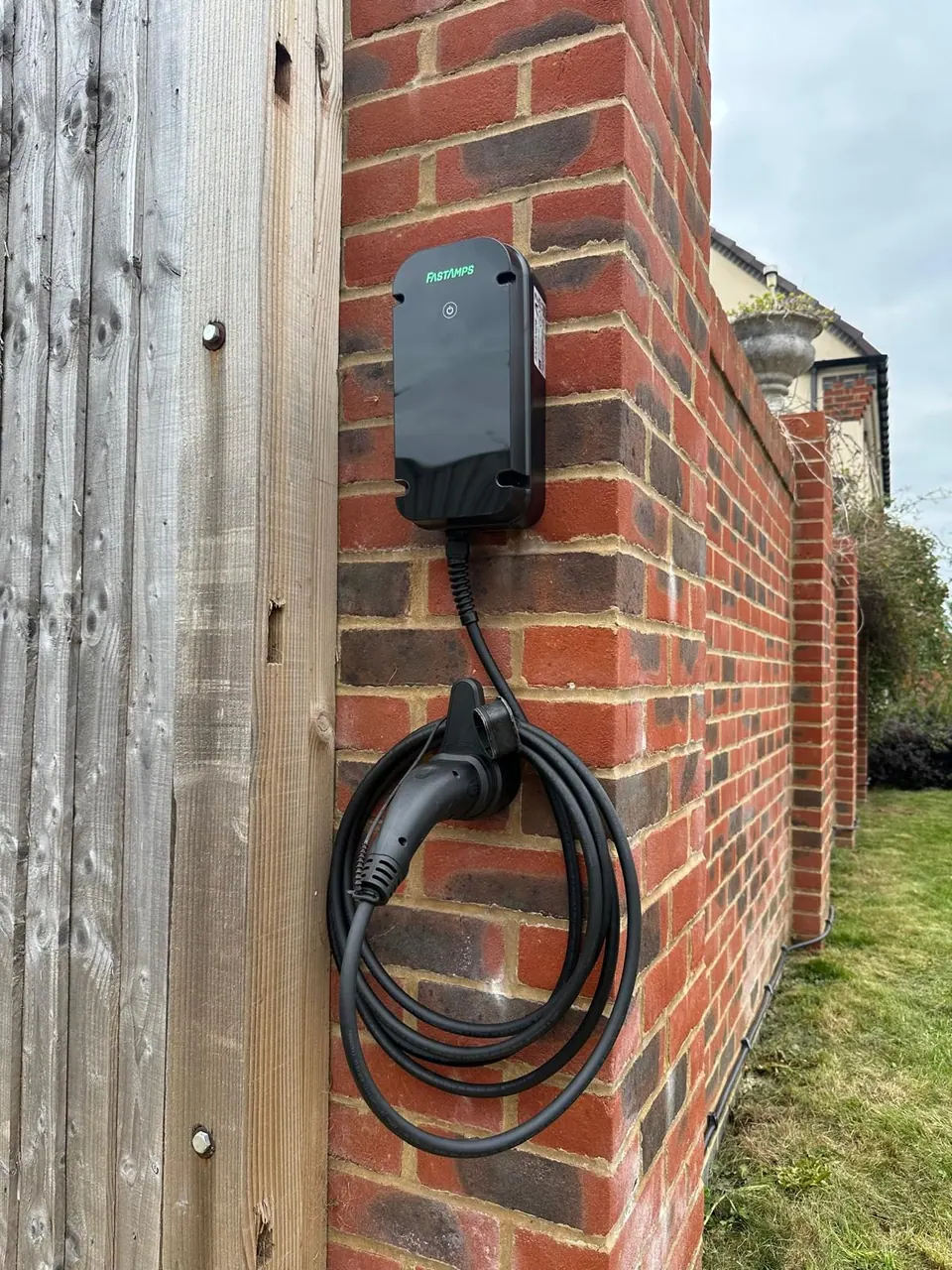
Charging from your own solar panels with a zappi
If you have solar panels, some of your miles can come from your own roof. A zappi can take power from the grid, from solar or a combination of both, and its modes decide the mix:
- Eco matches the charge to your spare solar. A car needs at least about 1.4kW to charge on a single-phase supply, so when the surplus falls short, the rest comes from the grid.
- Eco+ waits for surplus and stops the charge when there isn’t enough. Its Minimum Green Level sets how much grid top-up you’ll accept: at 100% it stops when surplus drops below 1.4kW, and at 50% it carries on until surplus falls below 700W.
- Fast charges as quickly as the car allows, whatever the source.
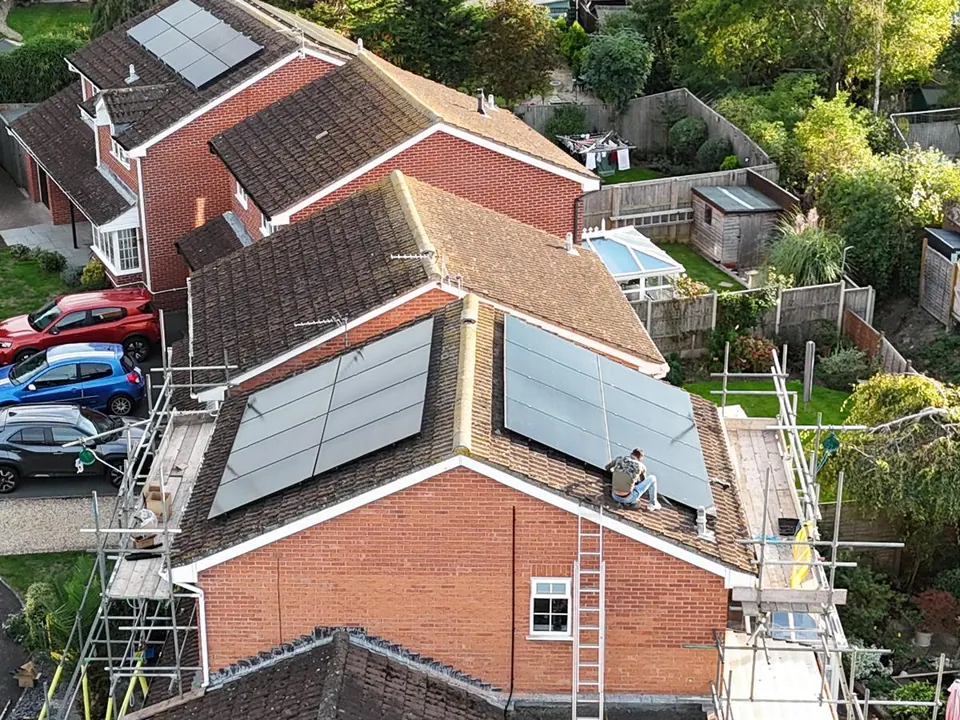
ADAC treats the 8.0% to 12.8% lost in its three-phase surplus-solar test as practically unavoidable, but acceptable, because the energy comes from your own low-cost generation. A single-phase zappi can charge on as little as 1.4kW, where, by ADAC’s rule of thumb, the loss is higher. You’ll find the zappi and zappi GLO on our products pages, and if you don’t have panels yet, a solar PV system for your roof comes first.
When exporting beats charging from solar
Charging from solar saves the rate you’d otherwise pay to charge, but gives up the export payment you’d have earned on the same unit, so compare the two. If you’d otherwise charge at the 26.47p standard rate, solar wins comfortably. If you’d charge overnight at 6.5p to 8.0p, it depends on your export tariff. Outgoing Octopus, for example, paid 12p for every unit exported when we checked in October 2026, though Octopus pairs it only with certain import tariffs. Where your export rate beats your overnight rate, exporting by day and charging by night can come out cheaper. A zappi works with solar and with time-of-use tariffs, so you can set it up for whichever pays more.
Good to know Public charging keeps standard-rate VAT, while household electricity carries none from 1 October 2026 to the end of March 2027.
Public charging around Bournemouth, Christchurch and Poole
Public chargers earn their place on longer trips, but each unit costs more. BCP Council lists 56p per kWh for fast chargers and 72p for rapid chargers in its car parks (as of October 2026, when we checked), and you pay any parking fees as well. Across the UK, Zapmap’s price index put the average pay-as-you-go price at 54p per kWh on chargers up to 49kW and 79p on rapid and ultra-rapid chargers in September 2026. Zapmap puts that rapid average at 24p a mile for an average-efficiency car.
Part of the gap is tax. HMRC’s position, restated in May 2026, is that charging at public charge points is standard-rated for VAT, currently 20%, while household electricity carries no VAT this winter. If you’re weighing up a charger at home instead, our team fits EV charge points for homes across Poole, as well as in Christchurch and Bournemouth.
So, how much does it cost to charge an electric car at home?
About £8 per 100 miles on the standard rate in Southern England this quarter, under £2.50 on an EV off-peak tariff, and for miles from your own solar, only the export payment you give up. Allow at least 5% more for charging losses, more on a slow solar charge, and check again each quarter, because the cap moves.
Your own answer to “how much does it cost to charge an electric car at home?” depends on your tariff, your car and your roof. Book a free home survey and we’ll work it out with you.
Questions we're often asked
- Is it expensive to recharge an electric car?
- Not at home, set against public charging. An average electric car needs around 30kWh for 100 miles, which is roughly £8 on this quarter's capped standard rate for Southern England and £2 to £2.50 on an overnight EV tariff. On a rapid public charger, the same distance averaged close to £24 in September 2026.
- How do I charge an electric car at home?
- ADAC recommends a wallbox over a household socket: it's safer and, in its tests, lost far less energy. A home charger is wired back to your consumer unit and can be set to charge overnight on a cheaper rate. We survey your parking, consumer unit and supply first, and most homes take a single visit.
- Does charging an electric car put up my standing charge?
- No. Ofgem describes the standing charge as an amount you pay every day even if you use no energy, so charging only adds units at your unit rate. In Southern England it's 47.81p a day for single-rate Direct Debit customers on the October to December 2026 cap; EV tariffs set their own.
- Do I need a smart meter for an EV tariff?
- For both tariffs we've quoted, yes. Octopus says Intelligent Octopus Go relies on the smart meter network, and E.ON Next requires a working smart meter that sends half-hourly reads, plus an eligible car or charger. Check your charger is on the supplier's supported list before you switch.
- Can a zappi charge my car from solar alone?
- Yes. In Eco+ mode with the Minimum Green Level at 100%, the zappi waits for about 1.4kW of spare solar (on a single-phase supply) and stops when it drops below that. Lower the level and it tops up from the grid. In Eco mode it keeps charging at 1.4kW or more until the battery is full.